Lithium Orotate Monohydrate or Orotic Acid Lithium Salt Monohydrate Manufacturers Exporters |
| Aadhunik Industries is a manufacturing group company. Aadhunik Industries is pioneer manufacturer and exporter of Lithium Orotate Monohydrate or Orotic Acid Lithium Salt Monohydrate, Specialty Chemicals, Pharmaceutical Excipients, Food Fragrance & Flavor chemicals in India. It has toll manufacturers and representatives in UAE, Europe, Canada & USA and agents & customers in all countries like USA, Canada, Europe, UAE, South Africa, Tanzania, Kenya, Egypt, Nigeria, Uganda, Turkey, Mexico, Brazil, Chile, Argentina, Dubai, Netherlands, Italy, Spain, Germany, Portugal, France, Malaysia, Indonesia, Thailand, Korea, Japan, Russia etc. |
| Aadhunik Industries and/or associated units are FDA-GMP certified, Halal and/or Kosher certified, REACH registered, ISO-9001, ISO-22000 HACCP certified. We offer crystals granules in precise micron or mesh size as per buyers needs. We offer very high purity standards as per specifications required. |
 ----------
  ----------
  Translate


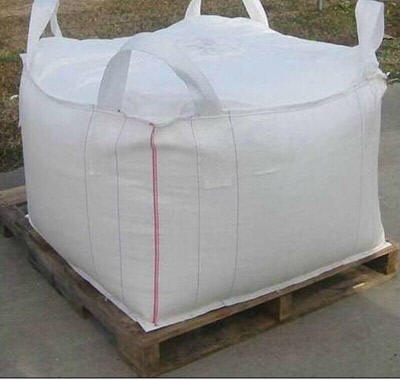


Specifications of Lithium Orotate or Orotic Acid Lithium Salt Monohydrate Manufacturers
Lithium Orotate Monohydrate or Orotic Acid Lithium Salt Monohydrate SDS, Safety Data Sheet
MSDS Sheet, Material Safety Data Sheet 04-July-26
SECTION 1 - IDENTIFICATION OF THE PRODUCT AND THE COMPANY
Product Name & Other Names: Lithium Orotate Monohydrate or Orotic Acid Lithium Salt Monohydrate
CAS No.: 5266-20-6
EINECS EC Number: 226-081-4
Chemical Formula: C5H3LiN2O4 Anhydrous and LiC5H3N2O4-H2O Monohydrate
Molecular Weight: 162.03 Anhydrous
Relevant uses and uses advised against (if any): Industrial Manufacturing.
Suppliers: As per letterhead.
SECTION 2 - HAZARD IDENTIFICATION OF THE PREPARATION
GHS, Globally Harmonized System Classification in accordance with 29 CFR 1910
Classification according to Regulation (EC) No 1272/2008
Not a hazardous substance or mixture according to Regulation (EC) No. 1272/2008.
This substance is not classified as dangerous according to Directive 67/548/EEC.
Labeling according to GHS & Regulation (EC) No 1272/2008
| GHS Label Elements NONE |
Signal Word: None
Precautionary statements:
P261: Avoid breathing dust/fume/gas/mist/vapors/spray.
P262: Do not get in eyes, on skin, or on clothing.
P281: Use personal protective equipment as required.
P302+P352: IF ON SKIN: Wash with plenty of soap and water.
P304+P340: IF INHALED: Remove victim to fresh air and keep at rest in a position comfortable for breathing.
P305+P351+P338: IF IN EYES: Rinse cautiously with water for several minutes. Remove contact lenses, if present and easy to do. Continue rinsing.
P337+313: If eye irritation persists get medical advice/attention.
SECTION 3 - COMPOSITION/INFORMATION ON INGREDIENTS
Product Name & Other Names: Lithium Orotate Monohydrate or Orotic Acid Lithium Salt Monohydrate
CAS No.: 5266-20-6
EINECS EC Number: 226-081-4
SECTION 4 - FIRST-AID MEASURES
Skin: Immediately remove any contaminated clothing. Wash contaminated area thoroughly with soap and copious amounts of water for at least 15 minutes. If irritation or adverse symptoms develop, seek medical attention.
Eyes: Remove any contact lenses at once. Flush your eyes with water for at least 15 minutes. Ensure adequate flushing by separating the eyelids with fingers. If irritation or adverse symptoms develop, seek medical attention.
Ingestion: Contact a physician immediately.
Remove to fresh air, if coughing, breathing becomes labored, irritation develops or other symptoms develop, seek medical attention at once, even if symptoms develop several hours after the exposure.
SECTION 5 - FIRE-FIGHTING MEASURES
Flammable Limits: Not established.
Hazardous Combustion Products: Carbon monoxide (CO), Carbon dioxide (CO2) and Lithium oxide.
Fire Extinguishing Media: Water spray, foam, carbon dioxide or dry chemical.
Special Fire Fighting Procedures: Burning will produce toxic fumes. Firefighters should be equipped with SCBA with a full-face piece operated in the positive pressure demand mode with appropriate turnout gear and chemical resistant personal protective equipment.
Unusual Fire & Explosion Hazards: Concentrated dust may present an explosion hazard.
SECTION 6 - ACCIDENTAL RELEASE MEASURES
Personal precautions, protective equipment, and emergency procedures: Ventilate area of leak or spill. Avoid breathing dust/fumes/gas/mist/vapors/spray. Use individual protective equipment (waterproof boots, suitable protective clothing, safety glasses, etc.).
Environmental precautions: Do not let the product enter drains, soil, or water sources.
Methods and materials used for containment cleanup procedures and Storage: Contain spilled material. Cover with an inert, non-combustible absorbent material, (e.g., sand, earth, diatomaceous earth, vermiculite). Vacuum or sweep-up and remove to an approved disposal container. Clean up spills in a manner that does not disperse dust into the air. Use non-sparkling tools and equipment. Reduce airborne dust and prevent scattering by moistening with water.
SECTION 7 - HANDLING AND STORAGE
Precautions for safe handling: Apply according to good manufacturing and industrial hygiene practices. Avoid dust formation and control ignition sources. Employ grounding, venting and explosion relief provisions in accord with accepted engineering practices in any process of capable of generating dust and/or static electricity. Ensure proper ventilation. Wash thoroughly after handling. Do not drink, eat, or smoke while handling. Minimize dust generation. Avoid breathing dust/fumes/gas/mist/vapors/spray. Avoid contact with eyes, skin, and clothing. Keep container tightly closed. Avoid ingestion and inhalation. Use individual protective equipment (waterproof boots, suitable protective clothing, safety glasses, etc.).
Conditions for safe storage, including any incompatibilities: Store in cool, dry, and ventilated area away from heat sources and protected from sunlight in tightly closed original container. Keep air contact to a minimum. Store protected from heat, sparks and ignition sources and incompatible materials. Avoid inhalation of dust/mist/vapor. Do not store with incompatible materials like strong oxidizing agents and peroxides, strong mineral acids.
SECTION 8 - EXPOSURE CONTROL/PERSONAL PROTECTION
Exposure Guidelines: Not established.
Respiratory Protection: Work ambient concentrations should be monitored and if airborne concentrations are expected to exceed acceptable levels wear a NIOSH/MSHA approved dust air purifying respirator.
Ventilation System: A system of local and/or general exhaust is recommended to keep employee exposures as low as possible.
Personal Respirators (NIOSH Approved): For conditions of use where exposure to dust or mist is apparent and engineering controls are not feasible, a particulate respirator may be worn.
Skin Protection: Wear protective gloves and clean body-covering clothing.
Eye Protection: Use chemical safety goggles and/or full-face shield where dusting or splashing of solutions is possible. Maintain eye wash fountain and quick-drench facilities in work area.
Other Control Measures: Maintain good housekeeping in work area. Handle in accordance with good industrial hygiene and safety practice.
SECTION 9 - PHYSICAL AND CHEMICAL PROPERTIES
Appearance: White to off-white crystalline powder.
Odor: No data found.
Odor threshold: No data found.
pH: No data found.
Relative density: No data found.
Melting point/freezing point: No data found.
Initial boiling point and boiling range: No data found.
Flash Point:No data found.
Auto-ignition temperature: No data found.
Decomposition temperature: No data found.
Upper/lower flammability or explosive limits: No data found.
Vapor pressure: No data found.
Vapor density: No data found.
Evaporation rate: No data found.
Flammability (solid, gas): No data found.
Partition coefficient: n-octanol/water: No data found.
Solubility(ies): No data found.
Viscosity: No data found.
SECTION 10 - STABILITY AND REACTIVITY
Incompatibility: Avoid contact with peroxides, strong mineral acids, and strong oxidizing agents.
Stability: Stable under ordinary conditions of use and storage.
Hazardous Decomposition Products: Carbon dioxide, carbon monoxide and lithium oxide.
Hazardous Polymerization: Will not occur.
SECTION 11 - TOXICOLOGICAL INFORMATION
Oral Rat LD50: No data found.
Carcinogenicity: No component of this product present at levels greater than or equal to 0.1% is identified as probable, possible, or confirmed human carcinogen by IARC.
Mutagenic Effects: No data found.
Teratogenic Effects: No data found.
Developmental Toxicity: No data found.
Reproductive Effects: No data found.
SECTION 12 - ECOLOGICAL INFORMATION
No significant data is available on the product. The product should be prevented from entering drains, sewers, streams, etc.
Persistence and Degradability: No data found.
Mobility: No data found.
Bioaccumulation/ Accumulation: No data found.
Results of PBT and vPvB assessment: No data found.
SECTION 13 - DISPOSAL CONSIDERATIONS
Prevent material from entering drains, sewers, streams, etc. Immediately dispose of waste material in accordance with federal, state, and local regulations. Follow all the pollution control rules.
SECTION 14 - TRANSPORT INFORMATION
DOT USA, TDG Canada & ADR/RID Europe: Not regulated.
IMO/IMDG: Not regulated.
IATA: Not regulated.
SECTION 15 - REGULATORY INFORMATION
USA Regulations:
California Proposition 65: Not listed for cancer or reprouctive harm.
16. OTHER INFORMATION
DISCLAIMER: The information and recommendations set forth herein are presented in good faith and believed correct as of the date hereof. It is compiled from various sources, and it is not necessarily all inclusive nor fully adequate in every circumstance. In addition, these suggestions should not be confused with nor followed in violation of applicable laws, regulations, rules, or insurance requirements applicable. This MSDS sheet is intended only as a guide to the appropriate precautionary handling of the material by a professionally trained person using this product. Individuals receiving the information must exercise their independent judgment in determining its appropriateness for a particular purpose.
CAS Number 5266-20-6, Lithium Orotate Monohydrate or Orotic Acid Lithium Salt Monohydrate manufacturers suppliers exporters at:
manufacturer supplier exporter
Aadhunik Industries
Ankleshwar Gujarat & Mumbai, India
TEL: (OFFICE) 91-22-65290104, 91-22-65290105.
e-mail: info@aadhunikindustries.com

Copyright and Usual Disclaimer is Applicable. 4-07-2026
Acetic Acid Glacial ------- Ammonium Bicarbonate ------- Aluminum Chloride ------- Aluminium Potassium Sulphate ------- Ammonium Carbonate ------- Ammonium Carbamate ------- Ammonium Chloride ------- Ammonium Persulfate------- Barium Chloride ------- Benzyl Alcohol ------- Benzoic Acid ------- Boric Acid ------- Borax ------- Calcium Chloride ------- Calcium Oxide ------- Calcium Hydroxide ------- Calcium Lactobionate ------- Calcium D Saccharate ------- Calcium Sulfate ------- Carbamide Peroxide ------- Chromic Chloride -------Copper Cupric Chloride ------- Copper Sulphate ------- Precipitated Coated & Directly Compressible Calcium Carbonate ------- Fumaric Acid ------- Ferric Chloride ------- Formaldehyde Solution ------- Lithium Carbonate ------- Magnesium Chloride ------- Magnesium Sulphate ------- Maleic Acid ------- Malic Acid ------- Manganese Chloride ------- Manganese Sulphate ------- Octyl Dodecanol ------- Oleic Acid ------- Phenyl Ethanol ------- Potassium Bromide ------- Potassium Chloride ------- Potassium Hydroxide Pellets ------- Potassium Monopersulfate ------- Potassium Phosphate Monobasic Dibasic Tribasic ------- Propylene Carbonate ------- Selenious Acid ------- Sodium Acetate ------- Sodium Diacetate ------- Sodium Hydroxide Pellets------- Sodium Thiosulfate ------- Sodium Formaldehyde Bisulfite ------- Sodium Perborate ------- Vanadyl Sulfate ------- Zinc Chloride